AI Vending Machines for Sale: The Ultimate, Proven 2026 Buyer's Guide
AI Vending Machines for Sale: The Ultimate, Proven 2026 Buyer's Guide
Blog Article
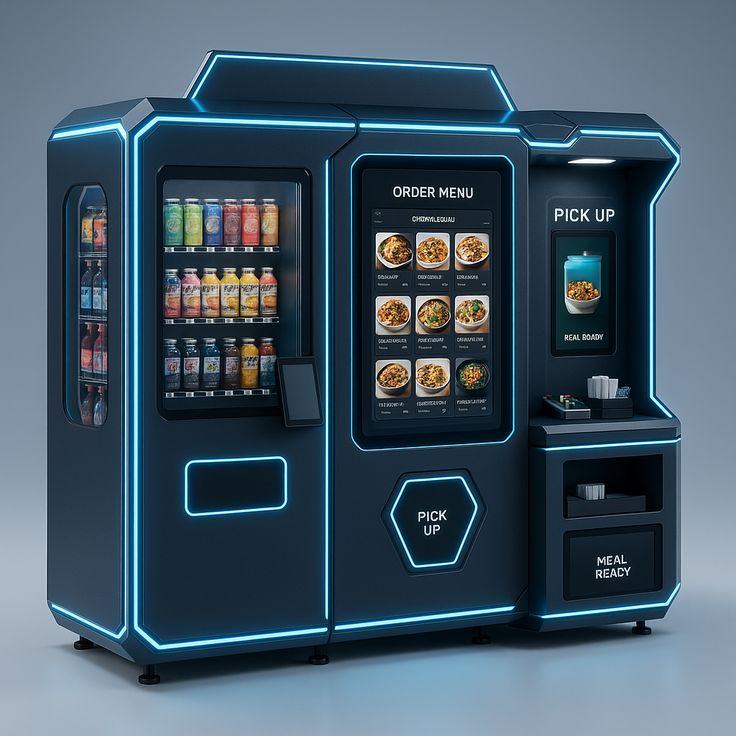
Quick answer: AI vending machines for sale in 2026 typically range from $2,500 for entry-level smart coolers to $25,000+ for advanced grab-and-go units with computer vision, while traditional (non-AI) vending machines for sale generally run $1,500 to $5,000 depending on size and condition. The right choice depends less on budget alone and more on your location's foot traffic, product mix, and how much remote management you actually need.
Searching "vending machine for sale" today returns two very different categories of equipment: traditional coin-and-button machines, and AI-powered smart machines with cashless payment, remote inventory tracking, and in some cases computer-vision "grab and go" checkout. Treating them as the same purchase decision is the most common mistake new buyers make — and it's usually an expensive one.
This guide breaks down what separates the two categories, what AI vending machines actually cost by type, and how to decide which one fits your location before you spend a dollar.
AI Vending Machine vs. Traditional Vending Machine: What's the Real Difference?
A traditional vending machine dispenses a selected item after payment — coins, bills, or a card swipe — with no data collection beyond a basic sales count you have to check manually. It's simple, inexpensive, and reliable, which is exactly why so many are still in service today.
An AI vending machine adds a software and sensor layer on top of that same basic mechanism:
Real-time inventory tracking that alerts you remotely when a slot is running low, instead of finding out on a physical restock visit
Cashless and mobile payment built in as standard, not an add-on
Computer vision or weight-sensor "grab and go" checkout on higher-end units, letting customers take an item and walk out without scanning it individually
Dynamic pricing, so prices can be adjusted remotely by time of day, demand, or promotion
Telemetry and sales dashboards, giving an operator visibility across multiple machines from one screen
The trade-off is upfront cost and, for the most advanced units, ongoing software or subscription fees. Whether that trade-off pays for itself depends entirely on the location.
How Much Does an AI Vending Machine Cost in 2026?
Pricing scales with the level of automation, not just machine size. Based on current 2026 market listings, here's how the categories typically break down:
AI Machine Type Typical Price Range Best Fit
Entry-level smart cooler (cashless + remote monitoring) $2,500 – $6,000 Offices, small breakrooms
AI smart combo (snacks + drinks, touchscreen) $4,000 – $8,000 Mixed-traffic locations
AI grab-and-go (computer vision checkout) $8,000 – $16,000 High-traffic corporate, hospital, campus sites
Premium AI store solution (full vision suite, multi-category) $16,000 – $30,000+ Large enterprise or high-volume deployments
For comparison, traditional vending machines for sale — no connectivity, no AI features — get more info typically run $1,500 to $3,500 new, or $800 to $2,000 for a well-maintained used unit. That gap is exactly why so many buyers default to traditional machines for straightforward, low-traffic locations, and reserve AI units for spots where the extra data and automation actually move revenue.
Setup Costs Beyond the Machine Price
Whichever type you choose, the sticker price is the starting point, not the total. Budget for:
Initial inventory — typically $300–$800 depending on machine capacity and product mix
Business license and seller's permit — varies by state, generally $50–$300 per year
Health permit, if selling food or beverages — $100–$500 annually depending on jurisdiction
Location/commission fees, often 10–15% of revenue if placing the machine on someone else's property
Software or connectivity fees, for AI units with cloud-based inventory or dynamic pricing features
Skipping this step is the second most common mistake after conflating AI and traditional machines — the AI machine that looked $3,000 cheaper on paper can end up costing more once software fees are added over a year of operation.
Is an AI Vending Machine Worth the Extra Cost?
The honest answer: it depends on foot traffic. AI features earn their premium in locations with enough transaction volume to benefit from automation — universities, hospitals, large offices, and 24/7 access points where a customer's speed and experience matter. In those settings, faster checkout and dynamic pricing can meaningfully lift average transaction value compared to a traditional push-button machine.
In a low-traffic breakroom or a single small office, a traditional machine or an entry-level smart cooler is usually the more practical purchase — the additional AI features have less volume to work with, so the payback period stretches out.
A simple way to decide: if the location sees fewer than 20–30 transactions a day, start with a traditional or entry-level smart unit. If it sees 40+ daily transactions with steady foot traffic, an AI grab-and-go or smart combo machine is more likely to earn back its higher price within the first year.
What to Check Before You Buy — New or Used
Whether you're comparing AI or traditional vending machines for sale, confirm the following before purchasing:
Condition and maintenance history, especially for used machines — ask about compressor age on refrigerated units
Payment system compatibility, including whether cashless readers are included or need to be added separately
Software/subscription requirements for AI units — some vendors bundle inventory software free, others charge monthly
Warranty coverage, particularly on refrigeration and electronics
Delivery and placement logistics — machine weight and dimensions determine what access your location needs
Common Mistakes to Avoid
Buying AI features you won't use. Computer-vision checkout adds real cost — it only pays off where transaction volume justifies it.
Ignoring recurring software fees. Some AI machines carry an ongoing subscription for remote monitoring or dynamic pricing that isn't obvious from the sticker price.
Skipping the permit and license research. Requirements vary by state and by whether you're selling food, and fines for skipping this step cost more than the paperwork would have.
Choosing size before location. A large multi-category machine is wasted in a small breakroom, while an undersized unit in a high-traffic spot means constant restocking trips.
Frequently Asked Questions
What is an AI vending machine? An AI vending machine is a connected vending unit that uses sensors, cameras, or weight-based technology to track inventory in real time, process cashless payments, and in some models let customers take items without scanning them individually. It also typically supports remote monitoring and dynamic pricing.
How much does an AI vending machine cost? Entry-level AI smart coolers start around $2,500–$6,000, mid-range AI combo and grab-and-go units run $4,000–$16,000, and premium AI store solutions with full computer vision can reach $30,000 or more.
Are traditional vending machines still worth buying in 2026? Yes, especially for low-traffic or budget-conscious locations. Traditional machines cost significantly less upfront, have no software fees, and remain reliable for straightforward snack and drink sales where automation features wouldn't be fully used.
How long does it take an AI vending machine to pay for itself? In high-traffic locations, payback is commonly seen within 12–18 months, driven by higher average transaction value and reduced restocking labor. In lower-traffic spots, payback takes longer since there's less volume for the automation features to work on.
Report this page